0 Review
From$1,100.00

Mid Range Lodge Tanzania Safari 7 Days is a 7-day tour in Arusha, Tanzania. Highlights include safari to Tarangire National Park and safari to Ngorongoro Conservation Area and descend to Ngorongoro Crater. Bookings are confirmed instantly. This booking is non-refundable.
Tarangire National Park
At its best when it's dry, Tarangire is an excellent park: with abundant game and very varied bird-life. The bulk of it is also relatively quiet, with few people reaching the southern regions where safaris can still find a sense of 'wilderness.
Serengeti National Park
The Serengeti vast ecosystem covers several different reserves and includes overwhelming amounts of game. Many areas are also very busy, and we're very aware that this will detract from many Tanzania safaris here. Other safari areas may be harder to reach but are usually worth the effort for their exclusivity. It is still possible to safari here with the migration to yourself – but getting the timing right is a science in itself.
Ngorongoro Conservation Area
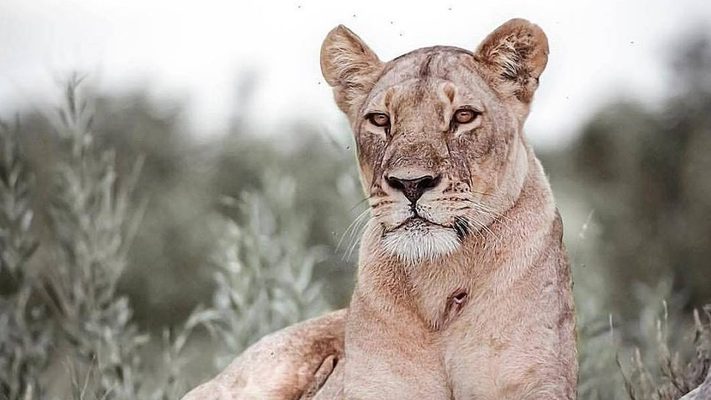
Tanzania's greatest wildlife showpiece, the Ngorongoro Crater has breath-taking views, phenomenal games and a lot of visitors. Look out for elephants, buffalo and black rhino on the crater floor; the large lion population is far from camera shy.
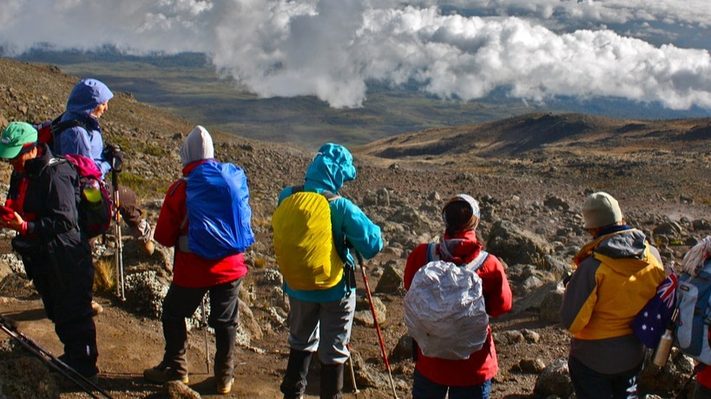
Strenuous pace · High altitude or technical terrain, strong fitness required
You will experience an Africa Safari and nature to the famous National Park in northern Tanzania. Accommodation will be in a mid-range lodge or Tented Lodge inside the National Park
You should see the following
Arrive at the Kilimanjaro International Airport. You will be met by our guide at the Airport and transferred to the hotel in Moshi.
Accommodation: Panama Garden Resort or similar hotel in Moshi.
Room plan: Double Occupancy
Meal Plan: Bed and Breakfast.
The tour starts with a drive to the third-largest National Park in Tanzania and that is Tarangire. With a lunch box carried from Moshi, you will have that chance to do game drives the whole day. This day will be spent on the Savannah plains in search of wild animals including zebras, elands, impalas, gazelles, and the rare species of Kudus. Large herds of elephants are also one of the Tarangire highlights as well as the large baobab trees.
Meal Plan: Breakfast, Lunch, and Dinner
Accommodation: Sangaiwe Tented Lodge or Similar lodge in Tarangire
Room plan: Double Occupancy
Click any available date to apply it directly to your booking summary · Local time in Arusha, Tanzania
We will provide you meeting location after reservation is confirmed.
Customer Names · Arrival Time · Primary Customer Name · Arrival Port Details
Instant confirmation — voucher and operator details sent immediately after booking.
Non-refundable: this booking can't be cancelled
Tipping Guideline
Tip for the guide will be $30-$50 per day per car
This tour cannot be canceled and no refund will be issued.
The Ngorongoro Crater is rich in wildlife, with many species calling this vast area home. The Ngorongoro Crater is the world's largest intact volcanic caldera with a diameter of 16km and a crater wall over 600m high. It is a true Garden of Eden, an extraordinary natural sanctuary for some of Africa's densest large mammal populations and predators. Over 400 spotted hyenas exist in the crater (especially on the eastern shore of Lake Magadi), along with lion's, leopard (spotted on occasions in the swampy areas), and black-backed and golden jackals. The lion population has varied during the years partly due to migration into and out of the crater but mainly because of the vulnerability of the compact population. Cheetah, although common in the Conservation Area, are scarce in the Crater possibly due to the high rate of competition from other predators. Elephant (especially around the Gorigor Swamp area) and buffalo are regularly seen. There also exist residential populations and large concentrations of wildebeest (over 10,000 in number), burchell's zebra (approximately 5,000), and buffalo, tsessebe, thomson's and grant's gazelle in the open grasslands of the crater floor. The Ngorongoro Crater is perhaps the best place in Africa to see the endangered black rhinoceros. At the Ngoitokitok Springs there is a permanent hippo pool (a fantastic stop-off point for a picnic lunch) and waterbuck, bushbuck and eland are best spotted around the Lerai Forest Area, which consists almost entirely of yellow fever trees. Giraffe and impala, both common in the surrounding plains, are notably absent in the Ngorongoro Crater. The lack of suitable food and being incapable of climbing the steep crater walls explain the giraffes absence. The Ngorongoro Crater has over 500 species of birds. The bird life in the crater varies according to the seasons but the crater floor does offer superb birding. Lake Magadi, a shallow soda lake which has seasonal variations, is home to a large flock of greater and lesser flamingos and Mandusi Swamp is great for spotting water birds. The grasslands are where the savanna birds are found. Such species include kori bustard, Maasai ostrich, and secretary bird along with endemics such as Fischer’s lovebird, grey-breasted francolin and rufous-tailed weaver. Schalow's turaco, golden-winged, coppery-colored bronze, malachite and Tacazze sunbird are just some of the many bird species that exist along the rim of the crater, particularly competing for nectar amongst the flowering Leonotis. Hartlaub's turaco and eastern double-collared sunbird are just some of the montane specialist forest birds that inhabit the crater rim.
A vast country and home to some of nature's greatest events, Tanzania is accessible all year. However to see what you want, you must be there are the right place in the right time... The vast Serengeti plains and the hills of Kenya’s Masai Mara are the setting for the world’s greatest wildlife spectacle, the 1.5 million animal ungulate (wildebeest) migration. Over 1.4 million wildebeest and 200,000 burchell’s zebra and gazelle, relentlessly tracked by Africa’s great predators, migrate over 3,000km during their circuitous annual pilgrimage in search of rain ripened grass. There exist over 10,000km2 of nutrient-rich short-grass plains in the southern Serengeti National Park while the western and northern sections are defined by their long grass and acacia woodlands. Once the 'short rains' fall in November and December (sometimes as early as October) the migration moves from Kenya's Masai Mara down through the eastern side of Tanzania's Serengeti into its sweet and fertile southern-grass plains. It is the Serengeti’s nutrient-rich short-grass plains that consist of high levels of calcium, magnesium and phosphorus derived from volcanic ash blown for millions of years by easterly winds from the Ngorongoro Highlands that provide the vital nutrients and elements for the pregnant wildebeest and their newborn young.Here, the wildebeest and other ungulates settle between January and April, hosting the greatest concentrations of animals. There is no bad time to visit Tanzania as each season is brimming with activity and each season has its advantages, however if possible, it is worth trying to avoid the peak tourist season, the northern hemispheres ‘winter’. June and July are particularly busy but this is also the best time for viewing the wildebeest migration and river crossings in the northern Serengeti. The dry season, particularly between June and October, is also great for trekking, which include trekking Mt. Kilimanjaro and Mt. Meru. Temperatures on the coast tend to be more bearable at this time of year and there is generally less mosquitoes. Chimpanzee tracking in western Tanzania can be done all year round however some of our favourite times are during the months of July to October when the chimpanzees are on the lower slopes of the Mahale Mountains making for easier trekking. The wetter period of the year between November and April is the greenest, particularly in the Serengeti. This period offers the best in birding with resident species supplemented by a number of Palaearctic and intra-African migrants. The wettest months are March and April, when parts of the country may experience storms daily.
From the dry acacia woodland of Tarangire National Park and the dramatic cliffs of the Rift Valley to the vast Serengeti plains and the specialist birds of the Usambara, Uluguru and Udzungwa mountains, northern Tanzania is a birders paradise. With close to 1,150 species of birds, of which 23 species are endemic and 36 species globally threatened, Tanzania ranks as one of the top birding destinations in Africa, and the second most varied avifauna of any country on the African continent. TARANGIRE NATIONAL PARK The scenic Tarangire National Park is famous for its thorn bush scrub, huge baobab trees and, in the dry season, large elephant herds. Birding in Tarangire is fantastic, with over 500 species so far recorded. The baobab-clad plains and fever-tree groves support many bird species including three Tanzanian endemics: ashy starling, yellow-collared lovebird, and rufous-tailed weaver while the dense scrub below is the habitat for species such as white-browed scrub-robin, green-winged pytilia and bronze-winged courser. Some of the many savannah species that exist in Tarangire National Park include eastern chanting goshawk, African pygmy falcon, bateleur eagle, chestnut-bellied sandgrouse, red-necked and yellow-necked spurfowl, double-banded courser, crowned lapwing, abyssinian scimitarbill, red-fronted, red-and-yellow, and spot-flanked barbets, northern crombec, taita fiscal, spotted morning thrush, African grey flycatcher, irania, barred and pucher's warblers, hildebrandt's, superb, wattled and fischer's starlings, beautiful and eastern violet-backed sunbirds, black-necked weaver, white-headed buffalo weaver, black-faced waxbill, purple grenadier, southern grosbeak canary, Somali golden-breasted and cinnamon-breasted buntings. Other bird species include Maasai ostrich, red-necked spurfowl, bare-faced go-away bird, black-faced sandgrouse, lilac-breasted roller, nubian woodpecker, white-browed coucal, African hoopoe, magpie shrike, northern white-crowned shrike, and white-headed, Rüppell’s and African white-backed vultures. LAKE MANYARA NATIONAL PARK As well as its 'tree climbing lions', Lake Manyara National Park is famous for its pink haze of thousands of flamingos that stretch across the horizon. Due to its range of habitats Lake Manyara National Park has a list of over 450 species of bird species. The number of water birds seen is dependent on the water level in the lake. Nevertheless, The park is full of wetland birds and along its lake shore exist saddle-billed stork, pink-backed and great white pelicans, spur-winged goose, rufous-bellied and goliath herons as well as waders such as collared pratincole, blacksmith and spur-winged lapwings, and water thick-knee. The acacia woodland with ancient mahogany and mvule trees, from Msasa River to the extreme southern end of the park, is home to Narina’s trogon, eastern bronze-naped pigeon, white-headed barbet, and collared palm-thrush. Other species include crested guineafowl and square-tailed nightjar. THE NGORONGORO CRATER The Ngorongoro Crater is the world's largest intact volcanic caldera. It is a true Garden of Eden, an extraordinary natural sanctuary for some of Africa's densest large mammal populations and predators as well as over 500 species of birds. The birdlife in the crater varies according to the seasons but the crater floor does offer superb birding. Lake Magadi, a shallow soda lake which has seasonal variations, is home to a large flock of greater and lesser flamingos and Mandusi Swamp is great for spotting water birds. The grasslands of the Ngorongoro Crater are where the savanna birds are found. Such species include kori bustard, Maasai ostrich, and secretary bird along with endemics such as Fischer’s lovebird, grey-breasted francolin and rufous-tailed weaver. Other bird species include grey crowned crane, Shelley's francolin, black stork, lappet-faced vulture, Hunter's and pectoral-patch cisticolas, the endemic rufous-tailed weaver, and northern anteater chat. Schalow's turaco, golden-winged, coppery-colored bronze, malachite and Tacazze sunbird are just some of the many bird species that exist along the rim of the crater, particularly competing for nectar amongst the flowering Leonotis. Hartlaub's turaco and eastern double-collared sunbird are just some of the montane specialist forest birds that inhabit the crater rim. SERENGETI NATIONAL PARK Amongst the long savanna grasslands punctuated by rock kopjes, and patches of acacia forest the Serengeti National Park is home to a huge variety of bird species. The Serengeti Biodiversity Program has stated that the Serengeti is host to more than 540 bird species, residents and migrants inclusive. The red-throated tit, grey-crested helmet-shrike, rufous-tailed weaver, Schalow's wheatear, grey breasted spurfowl, and Schalow's turaco are all endemic to the Serengeti ecosystem. Out on the plains of the Serengeti exist kori and buff-crested bustard, coqui francolin, the near endemic Hildebrandt's starling, Fischer's lovebird, grey-backed fiscal, Abdim's stork, yellow-throated sandgrouse, freckled nightjar, plain-backed pipit, sooty chat, the endemic Tanzanian (Ruaha) hornbill, rosy-patched shrike, long-tailed cisticola, and buff-bellied penduline. The plains are also used by migratory birds including white stork, pallid harrier, and peregrine falcon. Black-headed gonolek, common wattle-eye, and the recently found Karamoja apalis inhabit the Western Corridor while the wooded central Serengeti harbour Usambiro barbet, silverbird, Meyer’s parrot, black-faced go-away-bird, rufous chatterer, gray and bearded woodpeckers, and black-faced babbler.
The Ngorongoro Crater is home to much more than wildlife safaris, with important cultural and archaeology here too. Away from the wildlife, the Ngorongoro Conservation Area has other areas of significance. Oldupai Gorge is one of Africa's most important archaeological excavations where some of the world's most humanoid remains were discovered. Inhabitants such as the Hadzabe and Tatoga people, hunter-gatherers and pastoralists, have lived here for thousands of years. Amongst the winding sandy tracks through the open grasslands and acacia trees exist the Shifting Sands. With religious associations for the Masaai the Shifting Sands are remarkable, moving along in the exact same formation at a rate of approximately 5mtrs per year. It consists of volcanic ash deposits from Oldonyo Lengai, too heavy for the winds to blow away. Since 1969, the sand has drifted some 2km’s. Walking safaris to the Olmoti and Empakaai Craters is one of the little known secrets in the Ngorongoro Conservation Area. There exist wonderful views at the Empakaai Crater rim, 6km’s in diameter, of its lush and fertile crater floor and lake. This alkaline, deep soda lake (85m in depth) is surrounded by steep walls of the caldera, blanketed in forest, which rises to almost 300m above the crater floor. The views along the trail downwards are spectacular at every point with changing views of Empakaai itself. Upon descending towards the lake there are chances to spot buffaloes, bushbucks, blue monkeys, and birds such as sunbirds and turacos. Waterbucks and elands frequent the quiet and wild lake-shore. By venturing to the northern and eastern side of the crater there exist great views out to the dramatic cone of the still active volcano, Oldoinyo Lengai and on a clear day wonderful views of the Great Rift Valley and Lake Natron beyond Oldoinyo Lengai are on show. This is also a great area to see the Embulbul depression, a shallow, grassy basin formed where the slopes of Olmoti, Empakaai, Lolmalasin and Losirua volcanoes join with the outer rim of Ngorongoro. Maasai and their livestock, as well as eland, buffalo, and reedbuck inhabit the area around the Olmoti Crater. The Munge River, originating from the waters of the Crater walls, plummets hundreds of metres over the cliffs into the steep sided ravine below.
The Ngorongoro Crater is home to much more than wildlife safaris, with important cultural and archaeology here too. Away from the wildlife, the Ngorongoro Conservation Area has other areas of significance. Oldupai Gorge is one of Africa's most important archaeological excavations where some of the world's most humanoid remains were discovered. Inhabitants such as the Hadzabe and Tatoga people, hunter-gatherers and pastoralists, have lived here for thousands of years. Amongst the winding sandy tracks through the open grasslands and acacia trees exist the Shifting Sands. With religious associations for the Masaai the Shifting Sands are remarkable, moving along in the exact same formation at a rate of approximately 5mtrs per year. It consists of volcanic ash deposits from Oldonyo Lengai, too heavy for the winds to blow away. Since 1969, the sand has drifted some 2km’s. Walking safaris to the Olmoti and Empakaai Craters is one of the little known secrets in the Ngorongoro Conservation Area. There exist wonderful views at the Empakaai Crater rim, 6km’s in diameter, of its lush and fertile crater floor and lake. This alkaline, deep soda lake (85m in depth) is surrounded by steep walls of the caldera, blanketed in forest, which rises to almost 300m above the crater floor. The views along the trail downwards are spectacular at every point with changing views of Empakaai itself. Upon descending towards the lake there are chances to spot buffaloes, bushbucks, blue monkeys, and birds such as sunbirds and turacos. Waterbucks and elands frequent the quiet and wild lake-shore. By venturing to the northern and eastern side of the crater there exist great views out to the dramatic cone of the still active volcano, Oldoinyo Lengai and on a clear day wonderful views of the Great Rift Valley and Lake Natron beyond Oldoinyo Lengai are on show. This is also a great area to see the Embulbul depression, a shallow, grassy basin formed where the slopes of Olmoti, Empakaai, Lolmalasin and Losirua volcanoes join with the outer rim of Ngorongoro. Maasai and their livestock, as well as eland, buffalo, and reedbuck inhabit the area around the Olmoti Crater. The Munge River, originating from the waters of the Crater walls, plummets hundreds of metres over the cliffs into the steep sided ravine below.
The Great Migration, in Tanzania and Kenya, is one of nature's greatest events, but how do you know where and when to go to actually witness it? The vast Serengeti plains and the hills of Kenya’s Masai Mara are the setting for the world’s greatest wildlife spectacle, the 1.5 million animal ungulate (wildebeest) migration. Over 1.4 million wildebeest and 200,000 zebra and gazelle, relentlessly tracked by Africa’s great predators, migrate in a clockwise fashion over 1,800 miles each year in search of rain ripened grass. Once the ‘short rains’ fall in November and December (sometimes as early as October) the migration moves from Kenya's Maasai Mara down through the eastern side of Tanzania's Serengeti into its sweet and fertile southern-grass plains. Here, the wildebeest and other ungulates settle between January and April. In April and May the ‘long’ rains set in and the migration starts moving from the depleted southern plains north to the long grass plains in the western corridor. Large river crossings on the Grumeti and Mara Rivers occur as the migration heads back into Kenya's Maasai Mara - the season dries out and fresh grazing and water can be found in the far north. The Masaai Mara is usually at its best in August, September and October.
When travelling to foreign destinations it is always respectful to dress modestly and we suggest the emphasis is on comfortable clothing. It is often warm on the plains and at lower altitudes but cold in the hilly and mountainous areas; a rain jacket, fleece and good quality walking shoes/boots are essential
The drive times from lodge to lodge will vary but most of the lodges in Tanzania are between 5hrs and 8hrs drive. There are, however, a number of lodges that are only an approximate 3hrs drive from one another. You may only be travelling 200kms to your next lodge but road conditions, especially during the wet seasons, lengthen the journeys. Also, in many locations you will be game driving and participating in other activities en-route to your next lodge meaning that you may check into your next lodge at sunset. For the majority of the time however we recommend flying between the various lodges you are staying at; this offers you a quick and reliable means of transportation and also offers you some stunning views!
From the dry acacia woodland of Tarangire National Park and the dramatic cliffs of the Rift Valley to the vast Serengeti plains and the specialist birds of the Usambara, Uluguru and Udzungwa mountains, northern Tanzania is a birders paradise. With close to 1,150 species of birds, of which 23 species are endemic and 36 species globally threatened, Tanzania ranks as one of the top birding destinations in Africa, and the second most varied avifauna of any country on the African continent. TARANGIRE NATIONAL PARK The scenic Tarangire National Park is famous for its thorn bush scrub, huge baobab trees and, in the dry season, large elephant herds. Birding in Tarangire is fantastic, with over 500 species so far recorded. The baobab-clad plains and fever-tree groves support many bird species including three Tanzanian endemics: ashy starling, yellow-collared lovebird, and rufous-tailed weaver while the dense scrub below is the habitat for species such as white-browed scrub-robin, green-winged pytilia and bronze-winged courser. Some of the many savannah species that exist in Tarangire National Park include eastern chanting goshawk, African pygmy falcon, bateleur eagle, chestnut-bellied sandgrouse, red-necked and yellow-necked spurfowl, double-banded courser, crowned lapwing, abyssinian scimitarbill, red-fronted, red-and-yellow, and spot-flanked barbets, northern crombec, taita fiscal, spotted morning thrush, African grey flycatcher, irania, barred and pucher's warblers, hildebrandt's, superb, wattled and fischer's starlings, beautiful and eastern violet-backed sunbirds, black-necked weaver, white-headed buffalo weaver, black-faced waxbill, purple grenadier, southern grosbeak canary, Somali golden-breasted and cinnamon-breasted buntings. Other bird species include Maasai ostrich, red-necked spurfowl, bare-faced go-away bird, black-faced sandgrouse, lilac-breasted roller, nubian woodpecker, white-browed coucal, African hoopoe, magpie shrike, northern white-crowned shrike, and white-headed, Rüppell’s and African white-backed vultures. LAKE MANYARA NATIONAL PARK As well as its 'tree climbing lions', Lake Manyara National Park is famous for its pink haze of thousands of flamingos that stretch across the horizon. Due to its range of habitats Lake Manyara National Park has a list of over 450 species of bird species. The number of water birds seen is dependent on the water level in the lake. Nevertheless, The park is full of wetland birds and along its lake shore exist saddle-billed stork, pink-backed and great white pelicans, spur-winged goose, rufous-bellied and goliath herons as well as waders such as collared pratincole, blacksmith and spur-winged lapwings, and water thick-knee. The acacia woodland with ancient mahogany and mvule trees, from Msasa River to the extreme southern end of the park, is home to Narina’s trogon, eastern bronze-naped pigeon, white-headed barbet, and collared palm-thrush. Other species include crested guineafowl and square-tailed nightjar. THE NGORONGORO CRATER The Ngorongoro Crater is the world's largest intact volcanic caldera. It is a true Garden of Eden, an extraordinary natural sanctuary for some of Africa's densest large mammal populations and predators as well as over 500 species of birds. The birdlife in the crater varies according to the seasons but the crater floor does offer superb birding. Lake Magadi, a shallow soda lake which has seasonal variations, is home to a large flock of greater and lesser flamingos and Mandusi Swamp is great for spotting water birds. The grasslands of the Ngorongoro Crater are where the savanna birds are found. Such species include kori bustard, Maasai ostrich, and secretary bird along with endemics such as Fischer’s lovebird, grey-breasted francolin and rufous-tailed weaver. Other bird species include grey crowned crane, Shelley's francolin, black stork, lappet-faced vulture, Hunter's and pectoral-patch cisticolas, the endemic rufous-tailed weaver, and northern anteater chat. Schalow's turaco, golden-winged, coppery-colored bronze, malachite and Tacazze sunbird are just some of the many bird species that exist along the rim of the crater, particularly competing for nectar amongst the flowering Leonotis. Hartlaub's turaco and eastern double-collared sunbird are just some of the montane specialist forest birds that inhabit the crater rim. SERENGETI NATIONAL PARK Amongst the long savanna grasslands punctuated by rock kopjes, and patches of acacia forest the Serengeti National Park is home to a huge variety of bird species. The Serengeti Biodiversity Program has stated that the Serengeti is host to more than 540 bird species, residents and migrants inclusive. The red-throated tit, grey-crested helmet-shrike, rufous-tailed weaver, Schalow's wheatear, grey breasted spurfowl, and Schalow's turaco are all endemic to the Serengeti ecosystem. Out on the plains of the Serengeti exist kori and buff-crested bustard, coqui francolin, the near endemic Hildebrandt's starling, Fischer's lovebird, grey-backed fiscal, Abdim's stork, yellow-throated sandgrouse, freckled nightjar, plain-backed pipit, sooty chat, the endemic Tanzanian (Ruaha) hornbill, rosy-patched shrike, long-tailed cisticola, and buff-bellied penduline. The plains are also used by migratory birds including white stork, pallid harrier, and peregrine falcon. Black-headed gonolek, common wattle-eye, and the recently found Karamoja apalis inhabit the Western Corridor while the wooded central Serengeti harbour Usambiro barbet, silverbird, Meyer’s parrot, black-faced go-away-bird, rufous chatterer, gray and bearded woodpeckers, and black-faced babbler.
Not all camps/lodges in Tanzania have mosquito nets. It all depends on their individual location, i.e. altitude, near open water, etc. Also, much of the accommodations are tented camps. These tents tend to be tightly sealed and zipped tight avoiding the need for mosquito netting. Furthermore, at most camps/lodges, while you enjoy dinner, housekeeping will complete a turndown service and spray the rooms with mosquito repellent. Regardless of mosquito netting, you should always bring insect repellent with DEET, trousers/slacks, sports/long sleeved shirt and/or blouse and dress/skirt for ladies.
Not all camps/lodges in Tanzania have mosquito nets. It all depends on their individual location, i.e. altitude, near open water, etc. Also, much of the accommodations are tented camps. These tents tend to be tightly sealed and zipped tight avoiding the need for mosquito netting. Furthermore, at most camps/lodges, while you enjoy dinner, housekeeping will complete a turndown service and spray the rooms with mosquito repellent. Regardless of mosquito netting, you should always bring insect repellent with DEET, trousers/slacks, sports/long sleeved shirt and/or blouse and dress/skirt for ladies.
The Great Migration, in Tanzania and Kenya, is one of nature's greatest events, but how do you know where and when to go to actually witness it? The vast Serengeti plains and the hills of Kenya’s Masai Mara are the setting for the world’s greatest wildlife spectacle, the 1.5 million animal ungulate (wildebeest) migration. Over 1.4 million wildebeest and 200,000 zebra and gazelle, relentlessly tracked by Africa’s great predators, migrate in a clockwise fashion over 1,800 miles each year in search of rain ripened grass. Once the ‘short rains’ fall in November and December (sometimes as early as October) the migration moves from Kenya's Maasai Mara down through the eastern side of Tanzania's Serengeti into its sweet and fertile southern-grass plains. Here, the wildebeest and other ungulates settle between January and April. In April and May the ‘long’ rains set in and the migration starts moving from the depleted southern plains north to the long grass plains in the western corridor. Large river crossings on the Grumeti and Mara Rivers occur as the migration heads back into Kenya's Maasai Mara - the season dries out and fresh grazing and water can be found in the far north. The Masaai Mara is usually at its best in August, September and October.
The drive times from lodge to lodge will vary but most of the lodges in Tanzania are between 5hrs and 8hrs drive. There are, however, a number of lodges that are only an approximate 3hrs drive from one another. You may only be travelling 200kms to your next lodge but road conditions, especially during the wet seasons, lengthen the journeys. Also, in many locations you will be game driving and participating in other activities en-route to your next lodge meaning that you may check into your next lodge at sunset. For the majority of the time however we recommend flying between the various lodges you are staying at; this offers you a quick and reliable means of transportation and also offers you some stunning views!
When travelling to foreign destinations it is always respectful to dress modestly and we suggest the emphasis is on comfortable clothing. It is often warm on the plains and at lower altitudes but cold in the hilly and mountainous areas; a rain jacket, fleece and good quality walking shoes/boots are essential
The Ngorongoro Crater is rich in wildlife, with many species calling this vast area home. The Ngorongoro Crater is the world's largest intact volcanic caldera with a diameter of 16km and a crater wall over 600m high. It is a true Garden of Eden, an extraordinary natural sanctuary for some of Africa's densest large mammal populations and predators. Over 400 spotted hyenas exist in the crater (especially on the eastern shore of Lake Magadi), along with lion's, leopard (spotted on occasions in the swampy areas), and black-backed and golden jackals. The lion population has varied during the years partly due to migration into and out of the crater but mainly because of the vulnerability of the compact population. Cheetah, although common in the Conservation Area, are scarce in the Crater possibly due to the high rate of competition from other predators. Elephant (especially around the Gorigor Swamp area) and buffalo are regularly seen. There also exist residential populations and large concentrations of wildebeest (over 10,000 in number), burchell's zebra (approximately 5,000), and buffalo, tsessebe, thomson's and grant's gazelle in the open grasslands of the crater floor. The Ngorongoro Crater is perhaps the best place in Africa to see the endangered black rhinoceros. At the Ngoitokitok Springs there is a permanent hippo pool (a fantastic stop-off point for a picnic lunch) and waterbuck, bushbuck and eland are best spotted around the Lerai Forest Area, which consists almost entirely of yellow fever trees. Giraffe and impala, both common in the surrounding plains, are notably absent in the Ngorongoro Crater. The lack of suitable food and being incapable of climbing the steep crater walls explain the giraffes absence. The Ngorongoro Crater has over 500 species of birds. The bird life in the crater varies according to the seasons but the crater floor does offer superb birding. Lake Magadi, a shallow soda lake which has seasonal variations, is home to a large flock of greater and lesser flamingos and Mandusi Swamp is great for spotting water birds. The grasslands are where the savanna birds are found. Such species include kori bustard, Maasai ostrich, and secretary bird along with endemics such as Fischer’s lovebird, grey-breasted francolin and rufous-tailed weaver. Schalow's turaco, golden-winged, coppery-colored bronze, malachite and Tacazze sunbird are just some of the many bird species that exist along the rim of the crater, particularly competing for nectar amongst the flowering Leonotis. Hartlaub's turaco and eastern double-collared sunbird are just some of the montane specialist forest birds that inhabit the crater rim.
A vast country and home to some of nature's greatest events, Tanzania is accessible all year. However to see what you want, you must be there are the right place in the right time... The vast Serengeti plains and the hills of Kenya’s Masai Mara are the setting for the world’s greatest wildlife spectacle, the 1.5 million animal ungulate (wildebeest) migration. Over 1.4 million wildebeest and 200,000 burchell’s zebra and gazelle, relentlessly tracked by Africa’s great predators, migrate over 3,000km during their circuitous annual pilgrimage in search of rain ripened grass. There exist over 10,000km2 of nutrient-rich short-grass plains in the southern Serengeti National Park while the western and northern sections are defined by their long grass and acacia woodlands. Once the 'short rains' fall in November and December (sometimes as early as October) the migration moves from Kenya's Masai Mara down through the eastern side of Tanzania's Serengeti into its sweet and fertile southern-grass plains. It is the Serengeti’s nutrient-rich short-grass plains that consist of high levels of calcium, magnesium and phosphorus derived from volcanic ash blown for millions of years by easterly winds from the Ngorongoro Highlands that provide the vital nutrients and elements for the pregnant wildebeest and their newborn young.Here, the wildebeest and other ungulates settle between January and April, hosting the greatest concentrations of animals. There is no bad time to visit Tanzania as each season is brimming with activity and each season has its advantages, however if possible, it is worth trying to avoid the peak tourist season, the northern hemispheres ‘winter’. June and July are particularly busy but this is also the best time for viewing the wildebeest migration and river crossings in the northern Serengeti. The dry season, particularly between June and October, is also great for trekking, which include trekking Mt. Kilimanjaro and Mt. Meru. Temperatures on the coast tend to be more bearable at this time of year and there is generally less mosquitoes. Chimpanzee tracking in western Tanzania can be done all year round however some of our favourite times are during the months of July to October when the chimpanzees are on the lower slopes of the Mahale Mountains making for easier trekking. The wetter period of the year between November and April is the greenest, particularly in the Serengeti. This period offers the best in birding with resident species supplemented by a number of Palaearctic and intra-African migrants. The wettest months are March and April, when parts of the country may experience storms daily.
Bookings are confirmed instantly. Your confirmation and booking details are sent by e-mail as soon as your booking is complete.
Non-refundable: this booking can't be cancelled. This tour cannot be canceled and no refund will be issued.
We will provide you meeting location after reservation is confirmed.
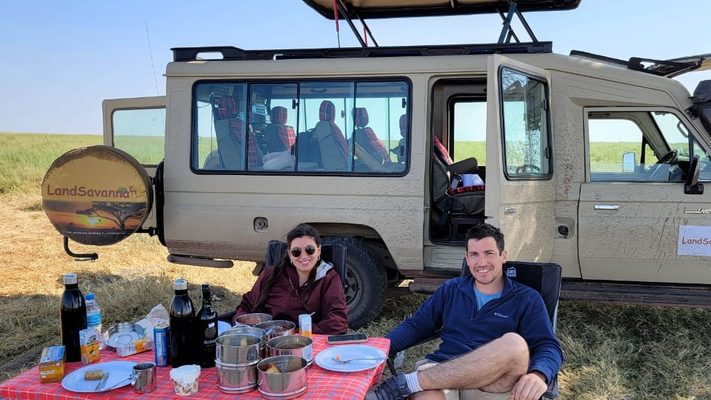
All airports pick up and transfer in private car, 7 days private safari, Transport and wildlife drives in modified 4 x 4 Land Cruiser with photographic roof hatch., Services of a professional English speaking safari guide, Carbon offsetting for your safari, All wildlife reserve entry fees, All game drives as mentioned in the itinerary, Emergency Evacuation during your safari by AMREF Fly Doctor., 03 x 0,5l mineral water per person / day during game drives ., 1 night at hotel in Moshi before your safari., 05 x FB at safari lodges or tented camps as per itinerary. and Concession fees, and more (see the full list on this page).
Only verified customers who booked this tour can publish a review
No verified reviews yet
Booked Mid Range Lodge Tanzania Safari 7 Days? Write your review anytime — if you're not signed in yet, we'll save your draft locally and publish it right after you sign in with your booking account.
Joined Mid Range Lodge Tanzania Safari 7 Days? Upload your favorite moments to showcase real traveler snapshots in the Photo Gallery below.
Chat directly with the operator about dates, group size, or custom requests. Messages are delivered in live chat and by e-mail so both of you can reply anytime.
Your booking is confirmed straight away, and the details are sent to you by e-mail.
Non-refundable: this booking can't be cancelled.
This tour is run by a local operator whose business details our team has checked.